Get Lawn Dethatching in Suwanee, GA
Lawn dethatching services in Suwanee, GA, help remove thick that layer to improve grass health, prevent pests, and prepare lawns for better growth.
Lawn dethatching is an important step in maintaining a healthy, lush yard, especially for property owners in Suwanee, GA. Over time, thatch-composed of dead grass, roots, and other organic matter-can build up between the soil and the grass, leading to issues such as poor water absorption, reduced nutrient flow, and weaker turf. Exploring professional dethatching services can help ensure the lawn remains vibrant and resilient, supporting overall landscape health and curb appeal. Whether preparing for seasonal changes or addressing specific lawn concerns, property owners often find that working with experienced local contractors makes the process more effective and manageable.
If you're considering lawn dethatching, it’s helpful to compare options available from service providers in the area. Many local contractors have the expertise to assess your yard’s specific needs and recommend appropriate solutions. Planning a lawn care project with professional assistance can contribute to a healthier, more attractive yard that enhances your property’s value and enjoyment. Keep reading to discover how local service providers can support you in achieving a well-maintained lawn tailored to Suwanee’s climate and landscape conditions.
- Lawn Dethatching - ideal when a lawn in neighborhoods like Sugar Hill or Johns Creek appears thick, spongy, or has a buildup of dead grass.
- Grass Thatching Removal - needed if the turf feels uneven or the grass struggles to grow in areas of Duluth or Norcross.
- Thatch Layer Removal - recommended when homeowners notice a layer of thatch preventing water and nutrients from reaching the soil in nearby communities.
- Lawn Care - necessary when lawns in Suwanee or Peachtree Corners develop a dense thatch that hampers healthy grass growth.
- Yard Renovation - suitable for properties requiring revitalization after years of neglect or heavy foot traffic in local neighborhoods.
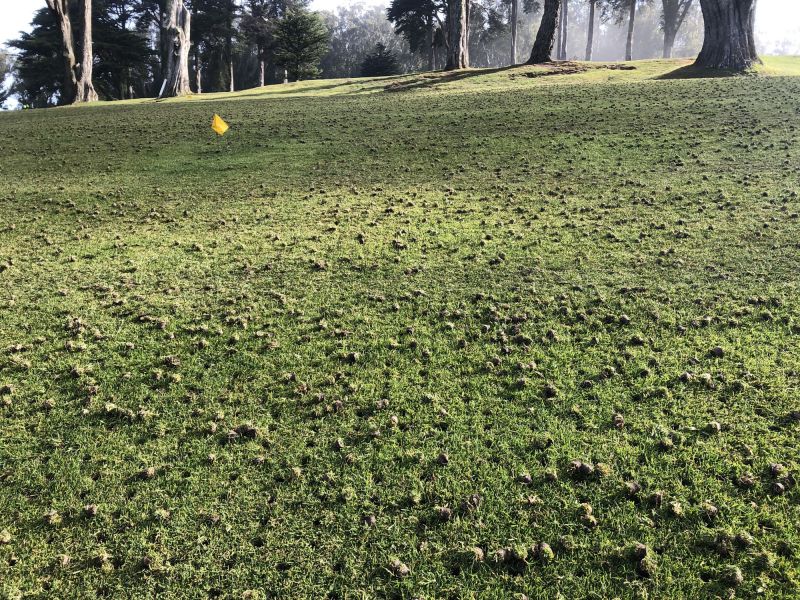
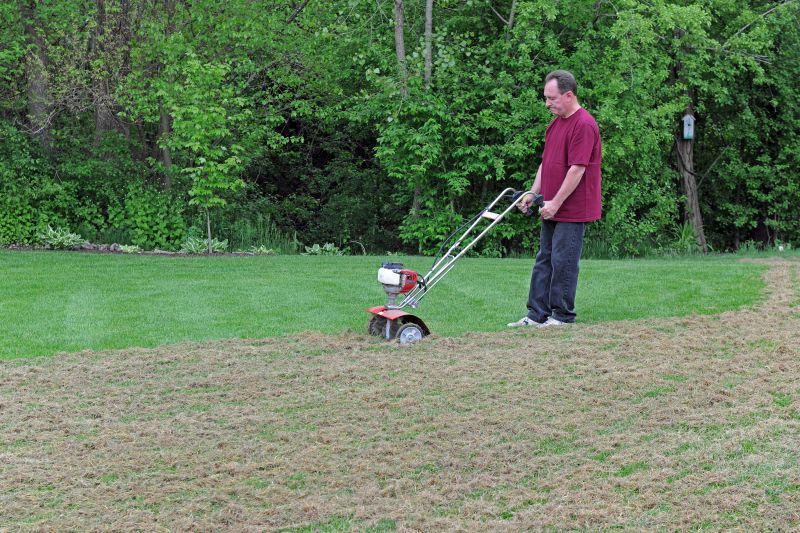
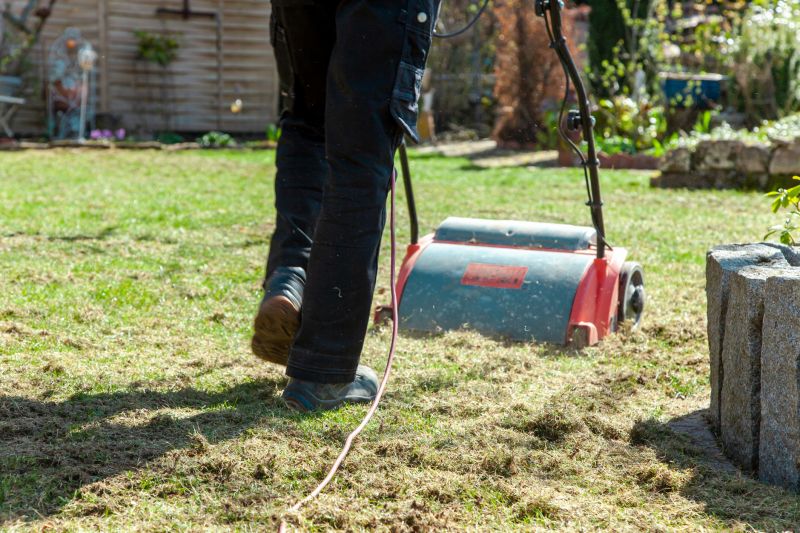
Lawn dethatching services involve the removal of a thick layer of thatch-a dense mat of roots, stems, and debris that can accumulate between the grass and the soil surface. Over time, this layer can become excessive, preventing water, nutrients, and air from reaching the grass roots effectively. The process typically uses specialized tools or machinery to carefully rake or cut away the thatch without damaging the healthy grass beneath. Regular dethatching helps maintain a healthy, vibrant lawn by promoting better grass growth and overall lawn health.
Excessive thatch can lead to several common problems for homeowners. It often causes water runoff and poor drainage, which can result in soggy patches or increased susceptibility to disease. Thatch buildup also makes lawns more vulnerable to pests and weeds, as the thick layer provides a hiding place for unwanted insects and invasive plants. Additionally, a dense thatch layer can inhibit seed germination and make it harder for new grass to establish, leading to a patchy or uneven appearance.
Properties that typically benefit from lawn dethatching services include residential yards, commercial landscapes, and community parks. Lawns with a history of heavy foot traffic, frequent fertilization, or those that have experienced drought stress are more prone to thatch buildup. Homeowners noticing their grass feeling spongy or experiencing poor growth may find dethatching to be a helpful step toward revitalizing their lawn. It is especially useful for lawns with a thick, matted layer of debris that prevents proper water and nutrient absorption.
When considering lawn dethatching, homeowners should look for local contractors experienced in this specific service. These professionals have the right tools and expertise to assess the condition of a lawn and determine if dethatching is needed. Whether dealing with a small backyard or a larger property, scheduling a professional dethatching service can help restore the health and appearance of a lawn. Contacting local service providers ensures tailored solutions that suit the specific needs of each property in the Suwanee, GA area and nearby communities.
The overview below groups typical Lawn Dethatching projects into broad ranges so you can see how smaller, mid-sized, and larger jobs often compare in Suwanee, GA.
In many markets, a large share of routine jobs stays in the lower and middle ranges, while only a smaller percentage of projects moves into the highest bands when the work is more complex or site conditions are harder than average.
Smaller Repairs - For routine dethatching on small to medium lawns, local contractors typically charge between $250 and $600. Many projects fall within this range, covering basic maintenance and minor patchwork. Fewer jobs tend to exceed this band unless additional services are needed.
Medium-Sized Projects - Larger lawns or more extensive dethatching jobs usually cost between $600 and $1,200. These projects often involve more thorough work and may include additional lawn care services, which can increase the overall cost.
Large or Complex Jobs - Very large lawns or properties with thick thatch buildup can see costs in the range of $1,200 to $2,500. Such projects are less common and may require specialized equipment or multiple visits from local service providers.
Full Lawn Renovation - Complete lawn overhaul, including dethatching, aeration, and reseeding, can reach $3,000 or more. These comprehensive projects are less frequent and typically involve extensive work by experienced contractors to restore the lawn’s health and appearance.
Actual totals will depend on details like access to the work area, the scope of the project, and the materials selected, so use these as general starting points rather than exact figures.
Lawn aeration services - professionals who perform soil aeration to improve grass health often utilize similar tools and planning as dethatching to promote better turf growth.
Landscape grading projects - these projects involve soil manipulation and surface planning that require similar skills in soil assessment and equipment use as lawn dethatching.
Garden bed renovation - removing old mulch and preparing soil for planting involves planning and manual labor comparable to dethatching lawn areas.
Soil conditioning and topdressing - these services require understanding of soil properties and surface preparation, aligning with the skills used in dethatching lawns.
Tree and shrub planting prep - preparing ground for new plantings involves soil assessment and surface clearing similar to lawn dethatching tasks.
Weed control and lawn fertilization - these services often require surface inspection and treatment application skills that complement dethatching work to improve lawn health.
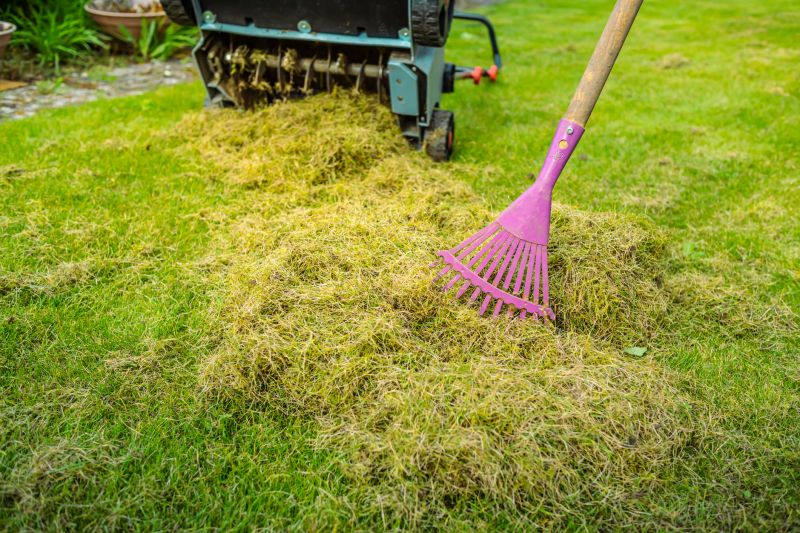
When comparing contractors for lawn dethatching services in Suwanee, GA, it’s important to consider their experience with similar projects. Homeowners should inquire about how long a service provider has been working in the local area and whether they have handled dethatching jobs comparable in size and scope. An experienced contractor will typically have a better understanding of the specific lawn conditions common to Suwanee and surrounding communities, which can lead to more effective results. Ensuring that a local contractor has a proven track record with dethatching can help build confidence in their ability to deliver quality work.
Clear written expectations are essential when evaluating service providers for lawn dethatching. Homeowners should seek detailed descriptions of the services offered, including what the process entails and what results to anticipate. A reputable contractor will be transparent about the scope of work and provide a written estimate or plan that outlines the steps involved. This clarity helps prevent misunderstandings and ensures that both parties are aligned on the project’s goals. Establishing well-defined expectations early on can contribute to a smoother experience and satisfactory outcomes.
Good communication and reputable references are key factors to consider when choosing a local contractor for lawn dethatching. Homeowners are encouraged to ask for references or examples of past work to verify the quality of a service provider’s previous projects. Additionally, responsive and clear communication throughout the inquiry process can indicate a professional approach and a willingness to address questions or concerns. Working with a contractor who values communication and has positive references can make the process more straightforward and increase confidence that the project will be handled reliably and professionally.
Property owners in Suwanee, GA use Lawn Dethatching services for practical projects around their homes and businesses. This guide focuses on everyday jobs and straightforward project options.
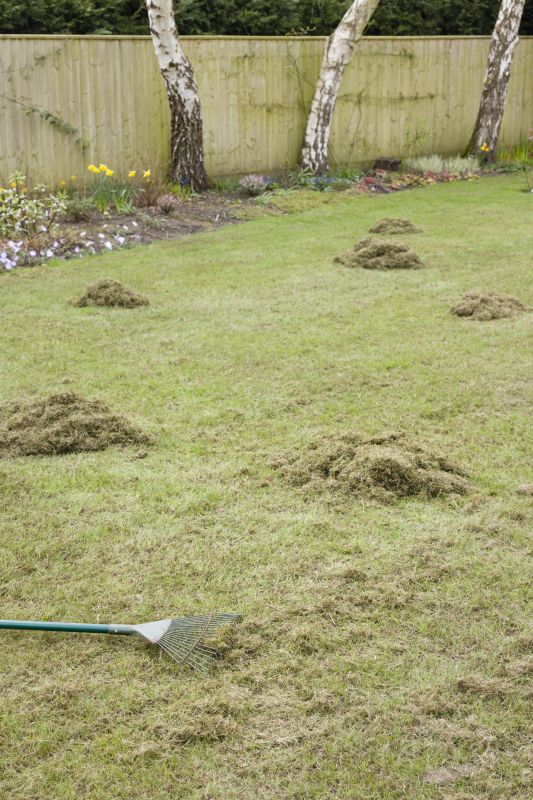
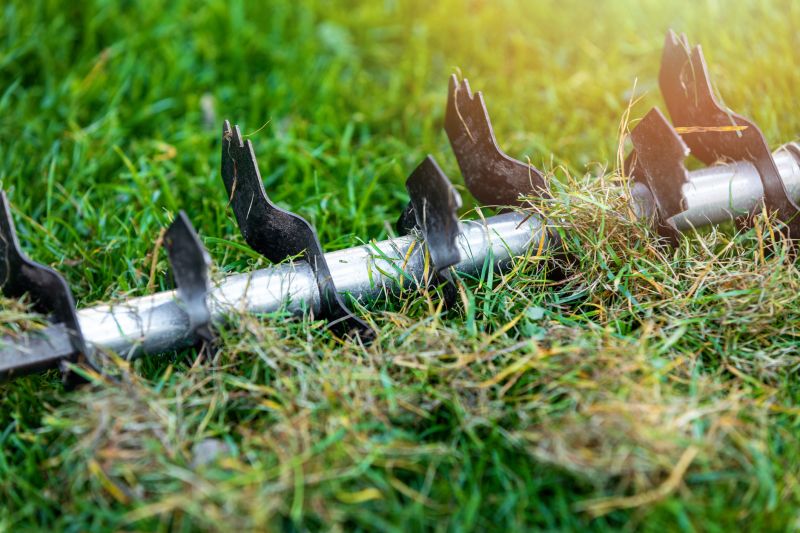
Lawn dethatching services are often sought by property owners in Suwanee, GA who notice their grass struggling to grow or appearing patchy. Over time, a layer of thatch-composed of dead grass, roots, and other organic matter-can build up between the soil and healthy grass, preventing water, nutrients, and air from reaching the roots. This buildup can lead to a less vibrant lawn and may make it harder for grass to recover after heavy foot traffic or seasonal changes. Local contractors who specialize in dethatching can help restore the health and appearance of a lawn by removing this layer and promoting better growth conditions.
Homeowners in Suwanee might also consider dethatching if their yard feels spongy or if they notice standing water after rain. These issues often indicate that thatch is preventing proper drainage and air circulation. Additionally, lawns that haven’t been aerated or maintained regularly may develop excessive thatch, making routine lawn care less effective. Service providers in the area can evaluate the condition of a yard and recommend dethatching as part of a broader lawn care plan, helping property owners maintain a lush, healthy outdoor space.
What is lawn dethatching? Lawn dethatching involves removing the layer of thatch-dead grass and roots-that can build up between the soil and healthy grass, helping to improve lawn health and appearance.
Why should I consider lawn dethatching? Dethatching can enhance water, nutrient, and air penetration to the grass roots, promoting a healthier, greener lawn and reducing issues like moss or disease.
How do local contractors perform lawn dethatching? Service providers typically use specialized dethatching equipment to carefully remove excess thatch without damaging the existing grass.
Is lawn dethatching suitable for all types of grass? Dethatching is generally appropriate for most grass types, especially when thatch buildup is significant, but a professional can assess if it’s right for a specific lawn.
How can I find local pros for lawn dethatching? Homeowners can contact local service providers who specialize in lawn care services to compare options and connect with experienced contractors in the area.
Improve Lawn Health - Lawn dethatching can help remove excess thatch buildup, promoting better nutrient absorption and healthier grass growth.
Prepare for Seeding or Sodding - Dethatching creates a better seedbed, making it easier for new grass to establish and thrive.
Address Thatch-Related Problems - Property owners can use dethatching to reduce moss, mold, or pests caused by excessive thatch layers.
Maintain a Lush, Green Yard - Regular dethatching helps keep lawns looking vibrant and well-maintained throughout the seasons.
If you are thinking about Lawn Dethatching for a property in Suwanee, GA, this guide is meant to help you understand the work, the typical project types, and how different options might fit your plans.
When you are ready, you can use the quote form on this page to share a few details about your project. From there, local pros can review the basics and respond with options that match what you have in mind.